Restore Yard Access
Clear blocked driveways and paths so life can return to normal.
Comprehensive cleanup and hazard removal following severe storms. We clear fallen branches, stabilize damaged canopies, and restore your yard.
Servicing Bull Creek and the City of Melville
Our Storm Damage Tree Removal Bull Creek service focuses on large-scale cleanup and making your property safe after severe weather events.
Autumn convective thunderstorms and winter cold fronts frequently tear branches off mature lemon scented gums and jacarandas in Bull Creek. We specialize in fast, bulk cleanup.
Clear blocked driveways and paths so life can return to normal.
Ensure no damaged limbs are waiting to fall in the next gust of wind.
We handle the heavy lifting, the chainsaws, and the wood disposal while you stay safe indoors.
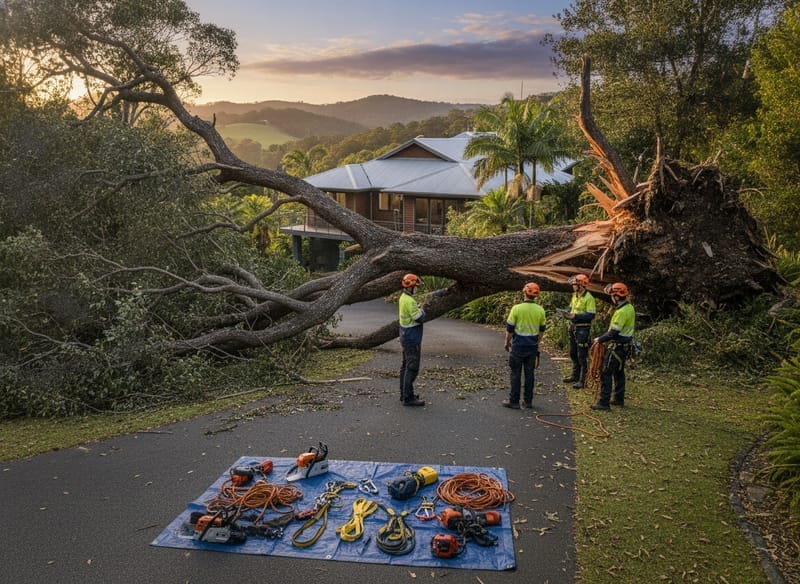
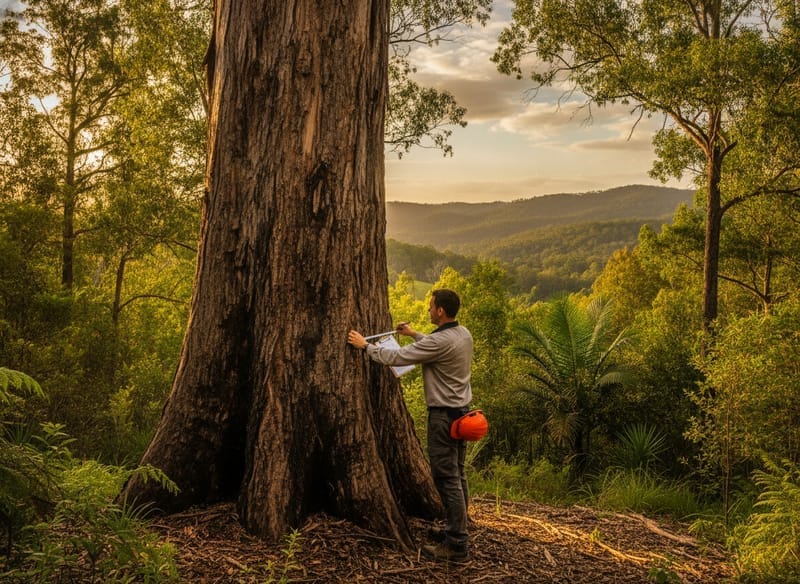
We arrive on-site to evaluate the storm debris and check the remaining trees for instability.
We quote the job, prioritizing access routes and immediate hazards over structures.
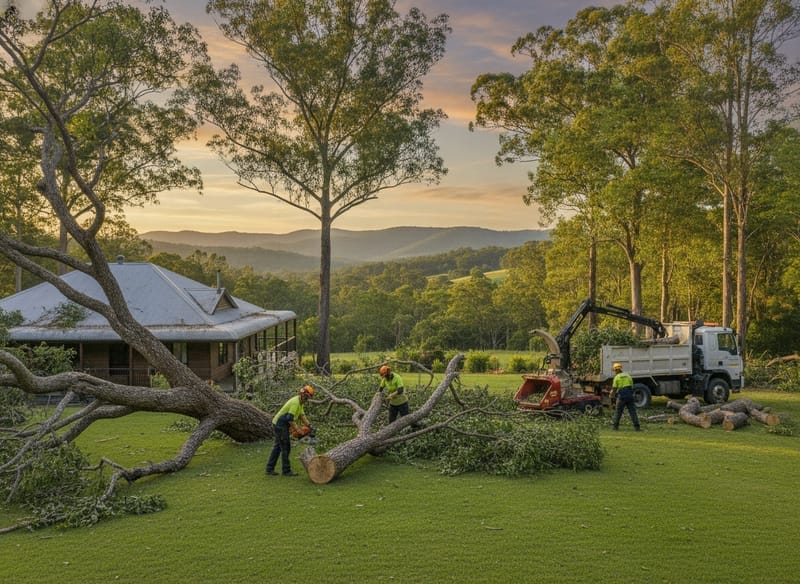
Using chainsaws and rigging, we safely dismantle and process fallen and broken timber.
All green waste is chipped on-site and removed, leaving your Bull Creek property clean and safe.
When winter cold fronts sweep across the Swan Coastal Plain or intense summer sea breezes put heavy loads on sprawling canopies, the resulting limb drops and root-plate failures can be devastating. If you are facing fallen timber or dangerous hung-up branches, our team provides emergency Storm Damage Tree Removal Bull Creek to secure your property.
Bull Creek and the surrounding Melville suburbs—like Applecross, Mount Pleasant, and Ardross—are known for their large, established residential blocks and towering mature trees. Unfortunately, heavy winter rains often saturate the deep Bassendean and Spearwood sands, making towering remnant eucalypts and heavy planted species susceptible to sudden failure.
At Melville Arborist, our local climbers and ground crews are ready to respond to catastrophic canopy collapses. We understand the sheer stress of property damage and blocked access. Our fully insured team has the heavy equipment and local experience to safely dismantle compromised trees, clear complex debris, and restore safety to your home without causing any secondary damage to your landscaping or structures.
Cleaning up after a severe storm is absolutely not a standard weekend DIY project. Trees that have snapped, uprooted, or become entangled with buildings or other trees hold incredibly unpredictable tension and compression forces. A single wrong cut with a homeowner's chainsaw can cause a massive log to roll violently or a loaded branch to spring back, leading to catastrophic injury or severe property damage. Beyond the immediate physical dangers, under-qualified operators or unregistered loppers often lack the specialised insurance required for complex emergency make-safe work. If an uninsured worker drops a suspended limb through your roof during the cleanup, you could be left completely unprotected and footing a massive repair bill. Our qualified arborists approach every storm recovery job methodically. We assess the structural integrity of the damaged tree and determine the absolute safest dismantling sequence. If a tree has only suffered partial canopy failure, we follow the strict AS4373 Pruning of Amenity Trees standards to selectively remove the damaged sections. By utilising target pruning techniques at the branch collar, we give the tree the best possible chance of recovery. We never resort to harmful lopping practices that encourage weak epicormic regrowth and guarantee future failure. Instead, we provide a complete, permanent, and safe solution that protects your home and family.
We utilise specialised equipment and highly technical access methods to safely dismantle storm-damaged trees across Bull Creek, ensuring no secondary damage occurs to your property during the cleanup phase.
We walk the property to tag trees by priority. We separate immediate hazards (timber over houses, powerlines, or accessways) from secondary hazards like hung-up limbs or standing-but-compromised canopies, ensuring the most dangerous elements are addressed first.
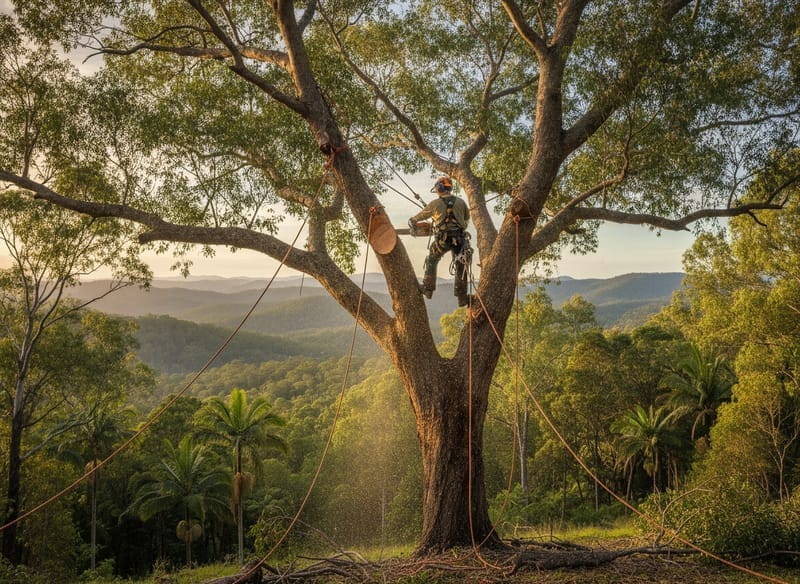
For steep slopes or tight backyard access where heavy machinery cannot go, our AQF Level 3 climbers use single-rope and double-rope techniques. We employ friction devices and advanced rigging to systematically lower shattered limbs without striking the ground below.
When a storm-damaged tree is too structurally compromised to safely climb, we utilise cherry pickers or tracked spider lifts. This allows our arborists to dismantle shattered canopies from a secure basket without adding the climber's weight to a failing stem.
In catastrophic failures where a massive tuart or lemon-scented gum has fallen onto a structure, we coordinate crane lifts. We sling large sections of the trunk and safely hoist them away from your home, eliminating the risk of secondary impact damage.
As Bull Creek falls within the Polyphagous Shot Hole Borer Quarantine Area, we process all host tree material strictly to DPIRD guidelines. Timber over 2.5cm is either processed through our high-capacity chippers on-site or transported securely to approved waste facilities.
When a storm hits and you need assistance, our process is designed to be fast, transparent, and completely integrated with your insurance requirements. Step 1: Emergency Triage As soon as you contact us, we dispatch an arborist to assess your Bull Creek property. We identify immediate hazards—such as trees leaning heavily over your roof or hung-up branches above driveways—and prioritise the work to make the site safe. Step 2: Photographic Evidence and Quoting We know insurance claims can be stressful. Our team takes detailed timestamped photographs of the damage before any work begins. We then provide a comprehensive, itemised quote breaking out each specific tree and job line so you can easily submit it directly to your insurer. Step 3: Make-Safe Operations Our first operational priority is neutralising the immediate danger. We use ropes, EWPs, or cranes to carefully lift and dismantle the highest-risk timber, removing the threat to your home, fencing, and local powerlines. Step 4: Processing and Cleanup Once the primary hazards are cleared, we process the remaining fallen timber. We chip branches, cross-cut large logs with heavy ground saws, and meticulously rake the site. We ensure all waste transport complies with Melville’s strict biosecurity quarantine regulations.
When dealing with high-risk storm damage, compliance and safety are absolutely non-negotiable. Our crews are led by AQF Level 3 certified climbing arborists, with AQF Level 5 consulting arborists available for complex assessments or detailed insurance reporting.
We are fully public liability and WorkCover insured, protecting you against any financial risk while we operate heavy machinery on your property. Every storm damage tree removal in Bull Creek is executed in strict alignment with AS4373 and workplace health and safety regulations. From secure traffic management on narrow local streets to implementing strict drop zones, our team prioritises the safety of your family, your property, and the general public.
Bull Creek and its neighbouring suburbs sit squarely within the City of Melville, an area characterised by mature remnant tuart, jarrah, and marri trees alongside planted streetscapes of jacarandas and box elder maples. Under the City of Melville Local Planning Scheme No. 6 (LPS6), there is currently no general tree protection on private residential land. However, remnant native vegetation is protected under the State Environmental Protection Act 1986. Fortunately, in severe storm damage situations, exemptions apply for trees that pose an imminent danger to life or property.
Crucially, all of Bull Creek is located completely inside the Polyphagous Shot Hole Borer (PSHB) Quarantine Area. This means that host plant stems over 2 cm cannot legally leave the zone unless chipped under 2.5 cm or securely transported directly to an approved DPIRD waste facility. Our local team is fully versed in these regulations and ensures all storm debris is processed and disposed of legally, preventing the spread of this highly destructive declared pest.
Once the immediate storm damage tree removal is complete, it is vital to closely monitor your remaining canopy. High winds can cause microscopic fractures in branches that may not fail until weeks after the storm event has passed. Keep an eye out for sudden browning of foliage, oozing sap, or new vertical cracks in the trunks of your surviving eucalypts and WA peppermints. If a tree was partially pruned to remove storm damage, monitor it for weak epicormic regrowth over the coming months. We strongly recommend scheduling an annual pre-storm season inspection with our arborists to identify and selectively prune defective branches before the next major winter fronts arrive.
Storm cleanup is quoted based on the volume of debris and the complexity of safe extraction.
Call us for a fast, free assessment and quote for your post-storm cleanup.
We provide rapid storm damage cleanup across Bull Creek and all surrounding Melville suburbs.
Get fast, professional storm damage cleanup in Bull Creek today.
Get a Free Quote